


Singers
who wish to delve deeper into a Feldenkrais® approach to vocal learning & voice development
On-demand masterclass
Robert Sussuma
A direct & expansive approach to vocal refinement.
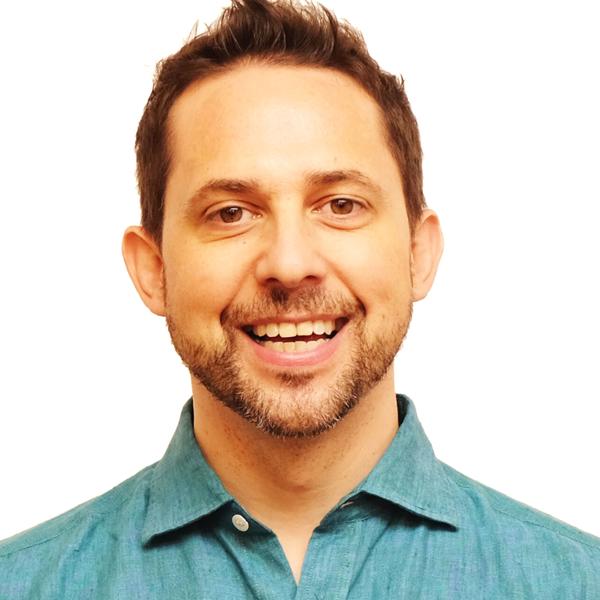
Teacher
Learn from Robert Sussuma (MMus., GCFP), a highly accomplished vocal performance expert and Guild Certified Feldenkrais® Practitioner. He holds two degrees in vocal performance and has taught at esteemed institutions, including Naropa University, PACE University, Harvard University, and the University of Michigan. As a countertenor, Robert has performed professionally in Early Music and Choral Music across the U.S. and internationally.
For voice teachers and vocal coaches, Robert has pioneered a method to “teach without teaching,” fostering discovery and self-learning. He has also created two innovative online programs: The Singing Self Program and The Teacher Track, both available on his website.
who wish to delve deeper into a Feldenkrais® approach to vocal learning & voice development
curious about solving the vocal “problems” that most are trying to solve - but in a different way... from the point of view of the bones
in deepening their skeletal awareness in relation to the voice.
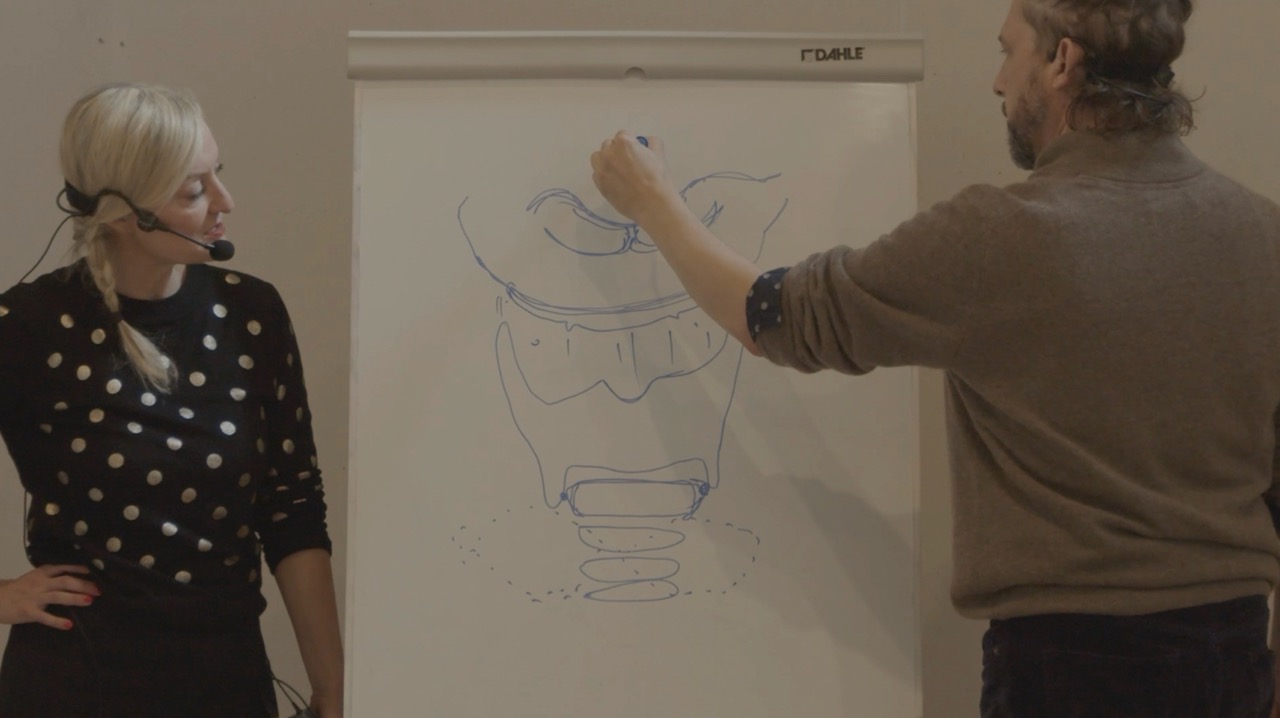
Shift from fixing your voice to uncovering it through awareness and coordination.
Use your bones—real and imagined—to release tension and enhance articulation.
Explore voice through creative puzzles that open new possibilities without effort.
Connect movement, breath, and sound into one fluid, expressive system
Leave with simple strategies to support your voice in daily life and performance.
You’ll learn how awareness of your skeleton can transform the way you sing—bringing new ease, flexibility, and resonance to your voice. Through the Feldenkrais approach, you’ll discover how your bones can guide expression, refine articulation, and dissolve effort, bridging whole-body movement with precise vocal function.
The course includes a balanced mix of discussion, ATM, demos, group work and some open coaching.
There are no prerequisites other than an interest in voice and singing, some basic vocal abilities and lots of curiosity!
The course was taught in English, with live French translation. We are hoping to translate the course into other languages in the future (if you have a specific language request, feel free to email us)
You may take the course at your own pace. The total length of the course is about 20 hours. The course was taught over 4 days, so if you're efficient you can do it in one week. It's also a great resource to come back to. There's a lot of content covered, so you may want to return several times to revisit what you've learned.
Investigate the homologous relationship between the foot/ankle and the tongue/hyoid. Learn to view the tongue not just as a muscle in the mouth but as an "upside-down foot" rooted in the throat, using ankle movements to influence laryngeal freedom and tongue release.
Master the "Leaping Larynx" maneuver—a passive, rhythmic movement where the tongue moves in and out to rock the hyoid and larynx up and forward. This practice mimics the swallowing reflex to release the root of the tongue and coordinate the upper and lower skeleton without muscular strain.
Use guided visualization to map the internal space of the mouth as a "cave." Imagine a tiny explorer with a flashlight (and later, X-ray vision) investigating the teeth, the precipice of the throat, and the skeletal structures behind the soft palate, creating a vivid sensory map without physical manipulation.
Clarify the specific "NG" sound (as in the English word "Sing") to isolate the movement of the soft palate. Learn to separate the "front room" (articulation/diction) from the "back room" (resonance) by keeping the back of the tongue high while moving the jaw and lips, separating breathing from diction.
An advanced exploration of the "back room" involving tactile mapping. Learn to safely palpate the hard and soft palates with a clean thumb to trigger the "ballooning" release of the palate. Progress to touching the space behind the soft palate to sense the front of the C1 vertebra (Atlas), connecting the vocal tract directly to the spine.
Transform the concept of the vocal tract by imagining it filled with warm "chantilly cream" or mousse. Learn to treat the empty space as a tangible object that can move the body, shifting agency from muscular effort to spatial organization, and experimenting with the "Trinasal" sound (M+N+NG) to maximize cranial vibration.
Refine the onset of sound by practicing a "micro-pop"—a tiny, almost inaudible release of air at the vocal folds. Distinguish this from harmful "scraping" sounds and learn to use "back pressure" (building pressure behind the closure) to release sound effortlessly, similar to the "buh-buh-buh" babbling of infants.
Integrate all concepts using "Resonant Voice Therapy" principles. Practice transitioning between M, N, and NG sounds to equalize vibration across the hard palate, cheekbones, and sphenoid bone. Apply this "bone conduction" awareness to songs (e.g., One Love, When We Sing) to achieve a unified, resonant sound with minimal effort.